Achilleion: which entrance, which hour, what to skip
A small palace that everybody sees in the same ninety minutes.

The Achilleion is the most visited building on Corfu and the one most people see badly. Not because it is disappointing, but because almost everyone arrives in the same ninety minutes, walks the same loop in the same direction, and leaves having queued twice.
It is a small palace. That is the whole problem and the whole solution.
What it actually is
Empress Elisabeth of Austria built it at Gastouri in the 1890s, on a hill eight kilometres south of Corfu Town, because she wanted somewhere to grieve for her son that was not Vienna. She named it for Achilles, whom she had decided was the noblest figure in Greek antiquity, and filled it with him.
After her assassination it was bought by Kaiser Wilhelm II, who kept the building and changed its meaning. Elisabeth's Achilles is the dying one, sinking to one knee in the garden with the arrow in his heel. The Kaiser's is the triumphant one, four and a half metres tall and facing north, added because he thought the first statue was defeatist.
Two owners, two temperaments, one hillside. Once you know that, the house stops being a pretty villa and starts being an argument.
Which entrance
There is one public entrance, at the top of the drive, and the practical question is where the vehicle stops rather than which door you use.
The coach park is below the palace, which means a short but genuinely steep walk up for anyone arriving on a tour bus. A private car can go to the upper turning circle by the ticket office, and that is worth having if anybody in your party is unsure on a slope. Our drivers do this without being asked, and if you are travelling with someone who cannot manage the climb, say so at booking and we will confirm the drop before the day.
Which hour
The palace is busiest from mid-morning until the middle of the afternoon, and the reason is not general popularity. It is that the coaches from the cruise berth and the north-coast resorts all reach Gastouri within the same window, because everyone plans backwards from the same lunch.
So the two good hours are the first hour after opening and the last two before closing. Early gives you the peristyle and the garden in soft light with the sea haze still on the channel. Late gives you the terrace with the sun going down the Ionian side, which is the view the whole building exists to frame.
Season changes the closing time, so check on the day rather than trusting a figure printed months earlier. If you are with us, the office checks it for you the week before and builds the day around it.
What to skip
- The souvenir arcade. It sits between the ticket desk and the stairs and it is where most visitors lose twenty minutes they later wish they had spent on the terrace.
- The upstairs rooms, if you are short of time. They are furnished, they are interesting, and they are also where every group bottlenecks. If you have an hour rather than two, do the ground floor, the staircase fresco and the garden, and let the bedrooms go.
- Photographing the big Achilles from the front. Everyone does; the light is behind it for most of the day. Walk to its left and shoot along the parapet with the sea below instead.
What not to skip
The frescoed staircase, which is the best thing in the house and takes four minutes. The peristyle of the Muses, where the columns and the sea line up in a way no photograph has ever quite carried. And the lower garden path, which almost nobody walks, and which gives you the dying Achilles with nothing behind it but the water.
How it fits into a day
Gastouri is close enough to town that the palace does not have to be the whole outing, and far enough up the hill that it is a poor last stop on a hot afternoon.
The shape that works is the Achilleion first thing, then Kanoni for the view down onto Vlacherna, then the Old Town on foot for the last part of the day. That is exactly the Discover Corfu half day, in that order, for that reason.
If you would rather give the fortresses and the museums the same attention as the palace, the longer version is Corfu's legacy, which adds the Old and New Fortresses and a state-licensed guide who can read the inscriptions rather than paraphrase them. Greek law reserves guiding inside archaeological sites to licensed guides, and there is a real difference between a guide and a driver with an anecdote.
Either way, the palace is twenty-five minutes from the airport and about twenty from the cruise berth, which makes it one of the few sites on Corfu that survives a tight schedule intact. If your day starts at the terminal, the airport transfer can begin with the palace and end at your hotel, luggage in the back, with no extra stop and no second fare.
One practical thing
Wear something you can walk a garden path in. The marble is polished, the lower paths are gravel, and the drop to the sea side of the terrace is real. It is a house that rewards an unhurried hour and punishes a rushed one, which is true of most of Corfu and truest here.
Journeys this pairs with
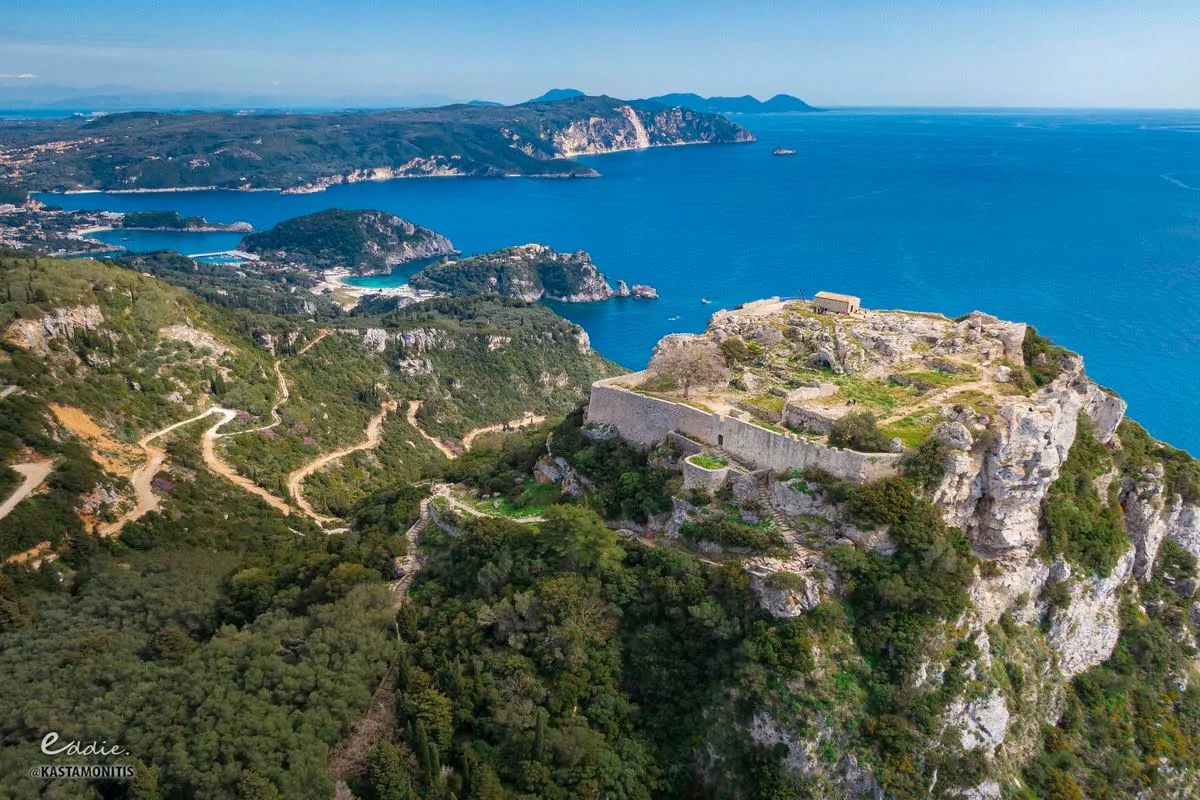 North Corfu
8 hours
North Corfu
8 hours
Enchanting Corfu: a full day, tailored
Old Town, Achilleion, Porto Timoni and a sunset at Loggas. The complete island in one unhurried day.
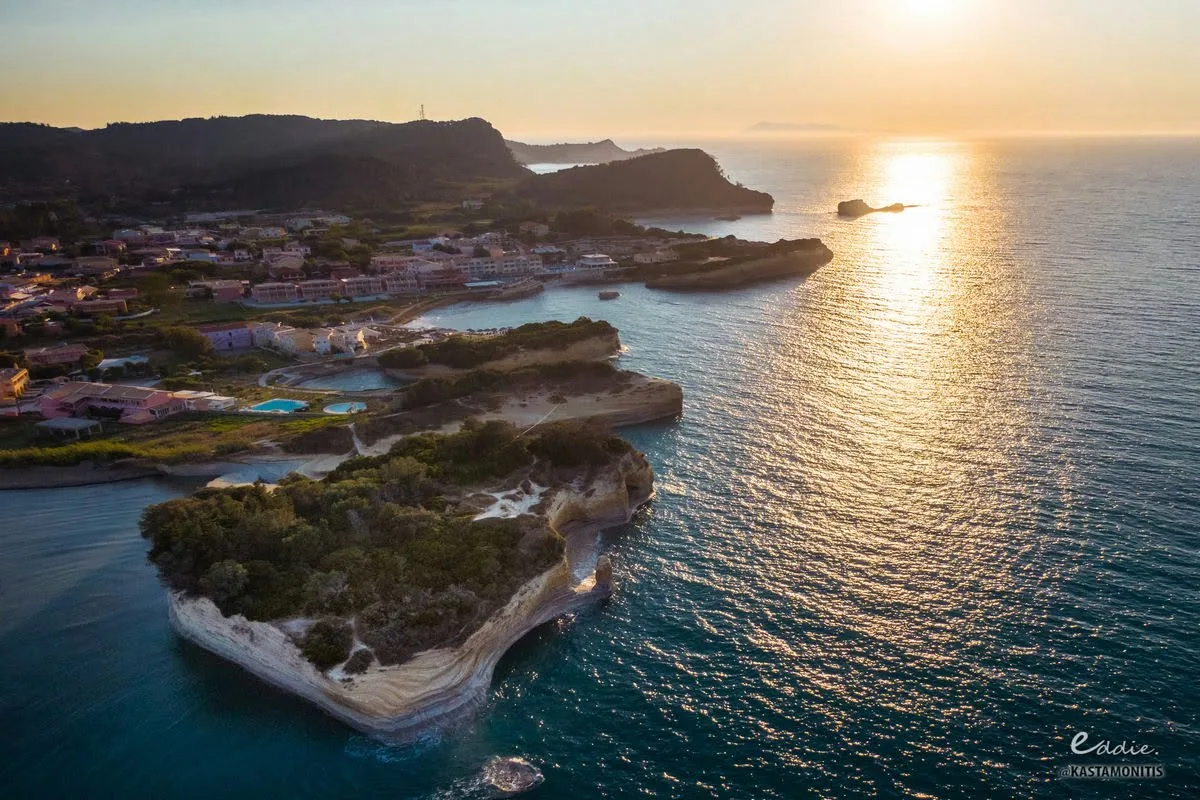 Corfu Town & centre
4 hours
Corfu Town & centre
4 hours
Enchanting Corfu: half day
Ideal for a cruise call: Kanoni, Vlacherna and the Venetian streets.
Corfu Town & centre
4 hours
Corfu's legacy: Achilleion & the fortresses
Habsburg marble, British bastions, Venetian wells. History with a guide who reads Greek.
Also worth reading
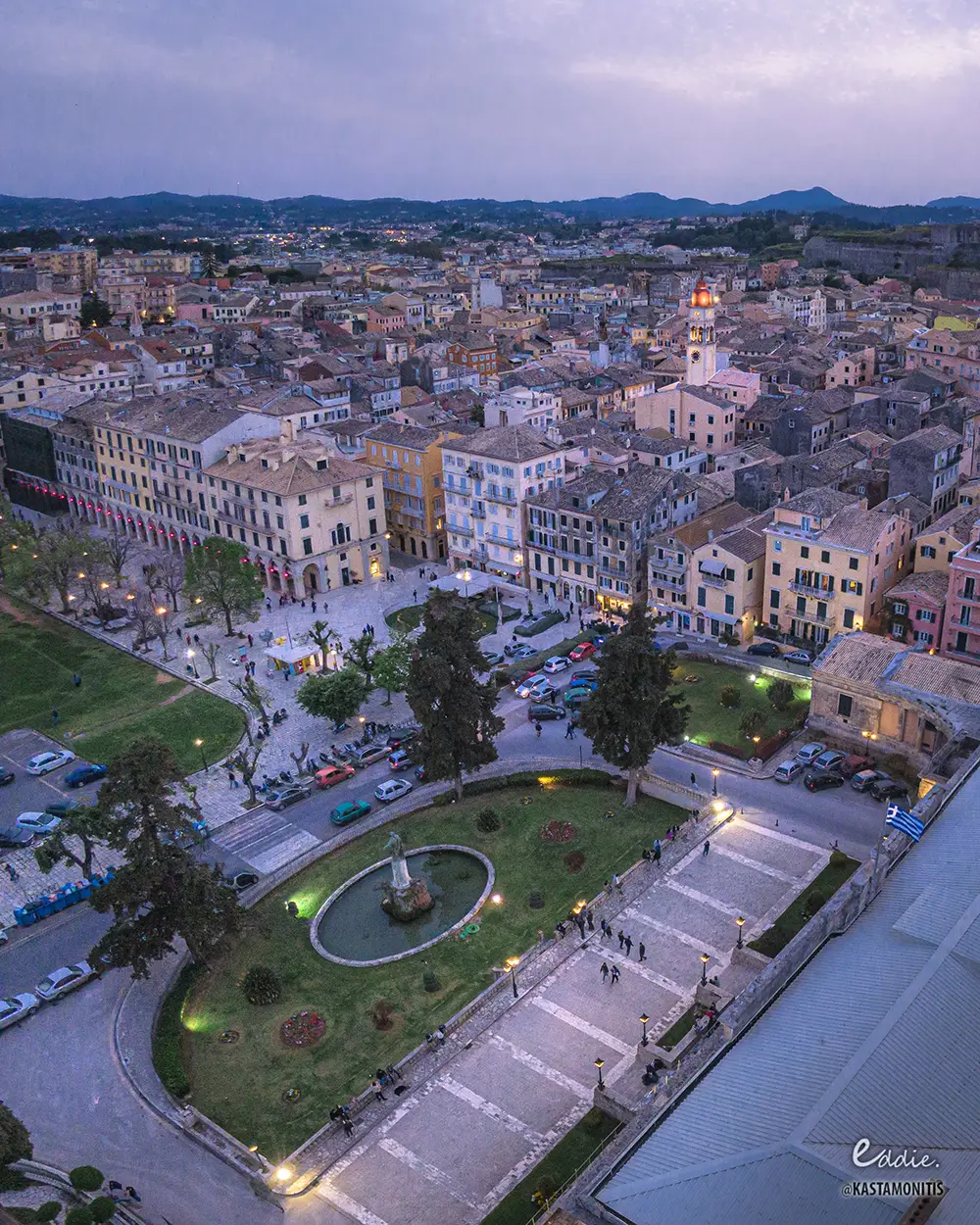
Seeing the Old Town without the crowds
Two hours, three entrances, and the hour the Liston empties.

Palaiokastritsa by road, not by boat
The boat is inside the picture. The road is where you see it.
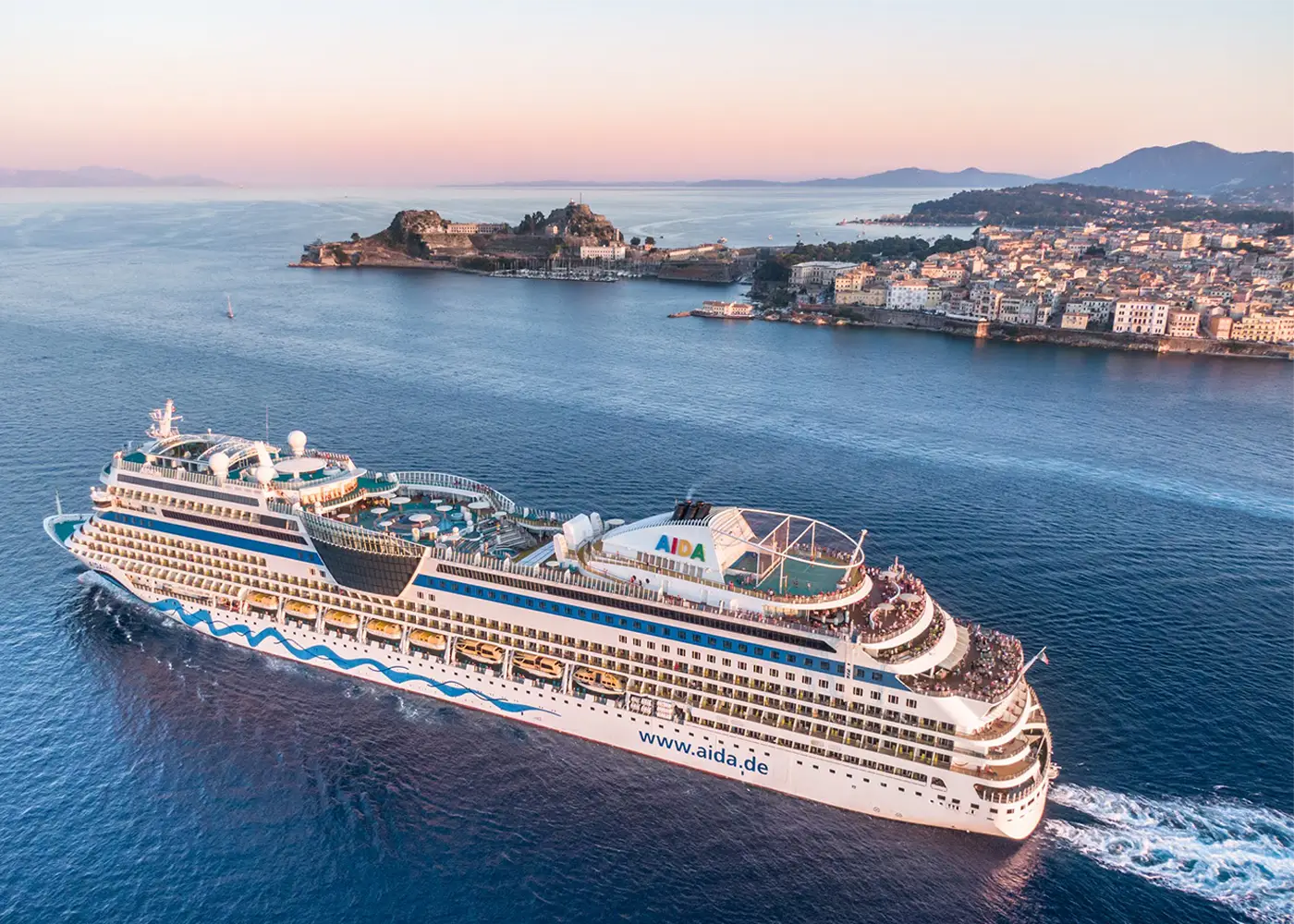
What four hours ashore actually buys you
A realistic plan, with honest driving times.